
Escalating tensions in the Middle East have propelled global oil prices upwards, breaking a three-week decline as fears grow over potential supply disruptions. Brent crude futures surged to approximately $96.60 per barrel, a peak not seen since November 9, while U.S. West Texas Intermediate (WTI) crude increased to $85.14 per barrel, marking a 1.7% rise.
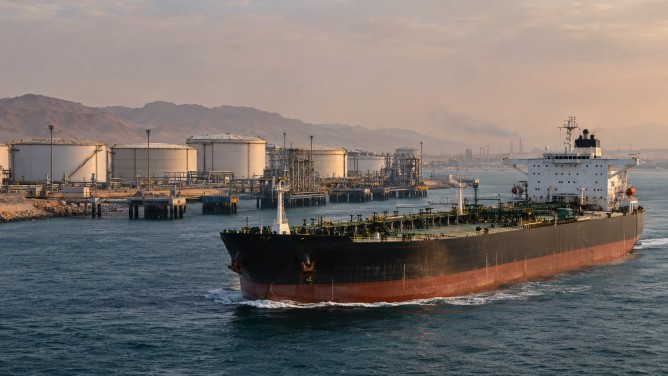
The Strait of Hormuz, a crucial passage for oil transport, has become a hotspot of concern. Recent attacks on commercial vessels traversing this waterway have disrupted shipping activities, amplifying worries about further interruptions in oil exports. This has heightened investor anxiety over the security of global energy supplies.
Adding to the tension, Saudi Arabia’s energy infrastructure has come under attack, notably with a projectile hitting the Jazan refinery, resulting in a temporary shutdown of operations and the tragic death of a Nepali worker. Previous incidents at Ras Tanura, a significant oil refinery and export facility, have further fueled security concerns within the kingdom.
The geopolitical unrest extends beyond the Middle East, as Ukraine has intensified its drone attacks on Russian oil refineries. The Slavyansk ECO refinery in Russia’s Krasnodar region was recently set ablaze in one such attack. Meanwhile, fires at refineries in Thailand and Venezuela have compounded fears about global supply availability.
Market attention is also focused on the upcoming OPEC+ meeting, where member nations, including Saudi Arabia and Russia, will deliberate on maintaining current production targets into 2027. Market analysts speculate that if supply disruptions escalate, oil prices could potentially breach the $100-per-barrel threshold, especially if Middle Eastern export routes remain compromised.
The combination of geopolitical tensions, refinery disruptions, and production uncertainties continues to influence the volatile landscape of global crude oil prices.