
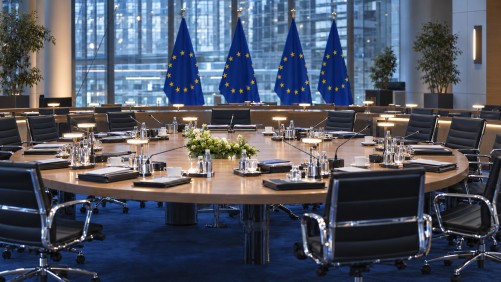
The European Union’s ongoing negotiations over its next seven-year budget could significantly impact funding allocations across the bloc, as several member states push for substantial cuts to the proposed €1.9 trillion budget. With nations like Germany and Sweden advocating for reductions, the future of funding for key sectors such as agriculture and regional cohesion hangs in the balance.
The budget discussions, currently taking place in Brussels under Ireland’s leadership of the Council of the EU, are critical as they will determine how the EU manages its finances from 2028 to 2034. Compounding the complexity, the EU is slated to start repaying its post-Covid recovery loans in 2028, requiring annual payments of approximately €24–€25 billion. This financial obligation adds pressure on member states to find consensus on budget priorities and contributions.
Adding another layer to the discussions is the EU’s exploration of new revenue sources to bolster its budget. Proposals under consideration include reallocating certain carbon-related levies, securing contributions from large corporations, and imposing taxes on electronic waste and tobacco excise duties. Collectively, these measures could contribute an estimated €44 billion annually to the EU’s finances. However, implementing new revenue streams necessitates unanimous agreement among member states, posing a potential hurdle to their adoption.
Ireland, aiming to secure an agreement during its presidency, is preparing a draft negotiating framework to present at an EU leaders’ summit in October. The framework is intended to guide discussions at the European Council level, where final decisions on the budget will be made.
In parallel to the budget talks, the EU and the Philippines have reported considerable strides toward finalizing a free trade agreement. Initiated in 2016 and revived in 2024, the negotiations are now nearing completion. The proposed deal, which aims to eliminate tariffs on over 97% of bilateral trade, could significantly enhance trade relations, with EU-Philippines goods trade valued at €17.6 billion last year and services trade reaching €10.3 billion in 2024.