
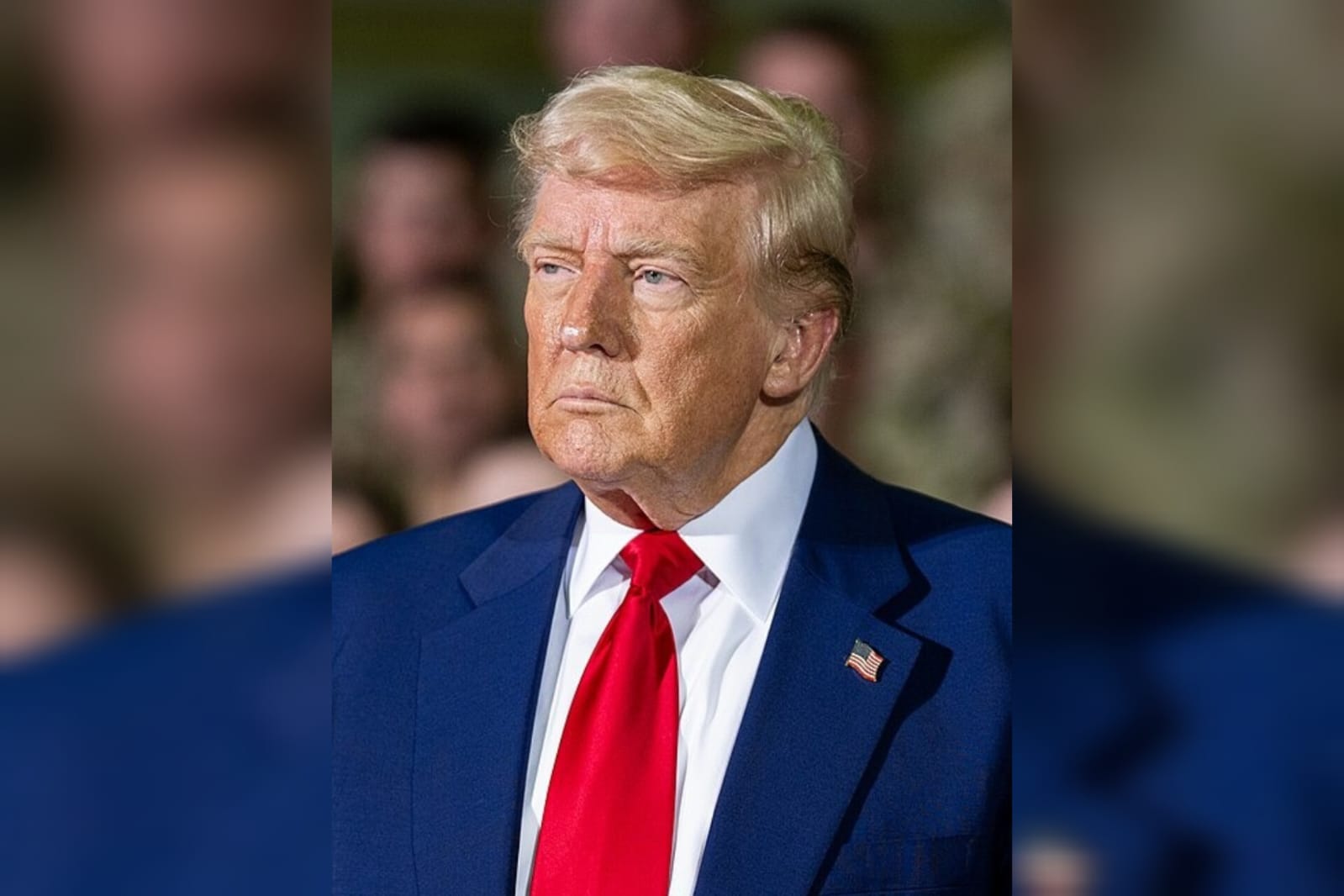
At the G7 Summit in France, U.S. President Donald Trump expressed skepticism about the progress of negotiations with Iran, emphasizing that no conclusive agreement has been reached. Trump highlighted that the discussions remain at the memorandum of understanding stage, rather than evolving into a definitive deal. He cautioned that military action, including “dropping bombs,” could resume if Iran fails to meet U.S. expectations, suggesting a potential return to armed conflict if commitments are unmet.
Trump’s recent comments present a stark departure from his earlier optimistic tone at the summit, where he praised the potential agreement as a “powerful document” and hinted at significant strides toward a resolution. This shift in rhetoric has introduced ambiguity into diplomatic efforts aimed at de-escalating regional tensions. The proposed framework, intended to address Iran’s nuclear ambitions and broader regional security concerns, sets the stage for a 60-day negotiation period. However, the resolution of key issues remains crucial for a final agreement.
Despite the political uncertainty and mixed messages from the U.S. administration, markets have reacted positively to the possibility of reduced tensions. Oil prices have seen a decline, reflecting expectations of improved global supply conditions. Additionally, there are preliminary signs of a partial restoration of oil flows following recent disruptions, although the situation continues to be fluid and subject to change.
Analysts point out that the conflicting signals from Trump’s administration underscore the delicate nature of the negotiations. Both diplomatic efforts and the potential for military action are influencing the current phase of U.S.–Iran relations, highlighting the fragile balance between progress and conflict. As talks continue, the international community remains watchful of the developments and their implications for regional stability.