
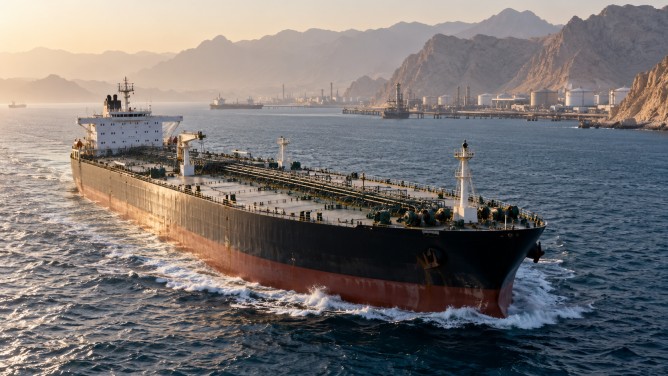
Global oil prices surged as Brent crude reached its highest level in over five months amid escalating tensions in the Middle East that have raised concerns about potential disruptions to energy supplies. Brent crude futures rose by 0.7% to $113.96 per barrel, with a peak at $114.72, marking the highest since May 4. Concurrently, US West Texas Intermediate (WTI) crude saw an increase of 1.1% to $100.57 per barrel.
The market’s unease grew following reports of Saudi Aramco evacuating its headquarters in Dhahran due to intensified fighting between Saudi Arabia and Houthi forces from Yemen. Analysts have warned that further attacks could threaten oil shipments and exacerbate existing supply shortages. The situation has also highlighted the security risks for the Bab el-Mandeb Strait, a crucial shipping lane linking the Red Sea and the Gulf of Aden, where extended disruptions might delay energy deliveries and sustain high oil prices.
In addition to the Middle East unrest, supply concerns have been exacerbated by developments in Libya. The shutdown of a pipeline valve connecting the Hamada and Tahara oilfields to Zawiya port has led to a reduction in production at these sites.
Meanwhile, a Malta-flagged tanker carrying 40,000 metric tons of Russian diesel is en route to New York, indicating Russia’s resumption of diesel exports to international markets, including the United States. This move is part of broader efforts to alleviate pressures from rising fuel prices.
Oil markets are expected to remain sensitive to ongoing developments in the Middle East, particularly regarding shipping routes and the time necessary to restore affected energy operations. The situation underscores the volatility and complexity of global energy supply chains amid geopolitical tensions.